Nutritional Considerations for Men's Well-being

Exploring specific nutritional considerations relevant to men's general health and vitality. This section focuses on broad categories of nutrients and their roles in supporting various bodily functions.

Nutrient Spotlight: Antioxidants

Antioxidants are compounds that support the body's natural protective mechanisms by helping to neutralize oxidative stress at the cellular level. This is a normal biological process, and antioxidant-rich foods are a valuable part of a balanced diet.

Sources of Antioxidants

  • Colorful vegetables: berries, tomatoes, peppers
  • Leafy greens: spinach, kale, chard
  • Nuts and seeds: almonds, sunflower seeds
  • Beverages: green tea, dark coffee
  • Whole grains and legumes

Understanding Antioxidants

The body naturally produces free radicals through metabolism and environmental exposure. Antioxidants help manage this normal process. A diet rich in antioxidant-containing foods supports the body's natural defense systems and contributes to overall vitality.

The Role of Protein in Active Lifestyles

Protein is essential for muscle maintenance and repair. For men who engage in moderate physical activity or regular exercise, adequate protein intake supports muscle function, recovery, and overall performance.

Quality protein sources include lean meats, fish, eggs, legumes, dairy products, and plant-based options. Including a variety of protein sources ensures you obtain all nine essential amino acids that your body cannot produce independently.

Protein Distribution

Spreading protein intake throughout the day—at breakfast, lunch, and dinner—supports consistent muscle protein synthesis. The optimal amount varies based on activity level and individual factors.


Balanced plate with proteins and vegetables

Exploring Micronutrients for Everyday Vitality

While macronutrients (proteins, carbohydrates, fats) provide energy, micronutrients (vitamins and minerals) are essential for virtually every metabolic process. Here are some particularly important micronutrients for men:

Magnesium

Function: Supports muscle and nerve function, energy production, and sleep quality.

Sources: Spinach, almonds, pumpkin seeds, dark chocolate, whole grains, legumes.

Many men don't consume enough magnesium, which can affect muscle relaxation and overall recovery.

Zinc

Function: Critical for immune function, protein synthesis, and various metabolic processes.

Sources: Oysters, beef, chickpeas, cashews, seeds, fortified cereals.

Adequate zinc is particularly important for maintaining immune function and supporting overall vitality.

Selenium

Function: Supports antioxidant defense and thyroid function.

Sources: Brazil nuts, tuna, turkey, eggs, brown rice, garlic.

Just a few Brazil nuts daily provides selenium. It's important not to exceed recommended amounts as it's a trace mineral.

Vitamin D for Men

Vitamin D plays multiple roles: supporting bone health, immune function, and mood regulation. The body produces it through sun exposure, and it's found in fatty fish, egg yolks, and fortified foods.

Many people, particularly in northern climates or those with limited sun exposure, benefit from ensuring adequate vitamin D intake during months with less sunshine.

B Vitamins for Energy

B vitamins support energy metabolism, converting food into usable energy. They're found in meats, whole grains, legumes, and leafy greens. Adequate B-vitamin intake supports energy levels and metabolic function throughout the day.

Physical Activity and Nutritional Needs

Regular physical activity—whether walking, cycling, gardening, or other moderate exercise—influences nutritional requirements, particularly for:

Energy (Carbohydrates)

Active individuals require adequate carbohydrates for fuel. Whole grains, fruits, and vegetables provide sustained energy and nutrients.

Recovery (Protein)

After physical activity, protein supports muscle repair and recovery. Including protein at meals helps support muscle maintenance.

Hydration

Physical activity increases fluid needs. Water is essential for temperature regulation and nutrient transport during and after activity.

Man enjoying outdoor physical activity in nature

Lifestyle Integration: Beyond Diet

Nutrition is most effective when combined with other healthy lifestyle practices. Factors that work synergistically with good nutrition include:

  • Regular Movement: Moderate physical activity supports metabolic health
  • Quality Sleep: Sleep supports recovery and metabolic regulation
  • Stress Management: Chronic stress affects digestion and nutrient absorption
  • Consistent Routine: Regular eating patterns support digestive health
  • Hydration: Adequate water intake supports all biological processes

Plant-Based Protein Considerations

Plant-based protein sources like legumes, lentils, nuts, seeds, and whole grains can meet protein needs when consumed in sufficient variety and quantity. Each plant-based protein source has a different amino acid profile:

Legumes

Beans, lentils, and chickpeas are rich in protein and fiber. They're versatile, affordable, and provide additional micronutrients like iron and zinc.

Nuts and Seeds

Almonds, walnuts, sunflower seeds, and hemp seeds provide protein along with healthy fats. They're convenient for snacking and adding to meals.

Whole Grains

Quinoa, brown rice, oats, and whole wheat contain protein plus fiber and B vitamins. They form the base of balanced meals.

Variety is Key

Combining different plant-based protein sources throughout the day ensures you obtain all essential amino acids your body needs.

Whole Grains and Sustained Energy

Whole grains—brown rice, oats, whole wheat, quinoa—provide complex carbohydrates that deliver sustained energy throughout the day, in contrast to refined grains which cause faster blood sugar spikes and drops.

Whole grains also provide fiber for digestive health, B vitamins for energy metabolism, and minerals like magnesium and selenium. Aiming for whole grain choices at meals supports steady energy levels and metabolic health.

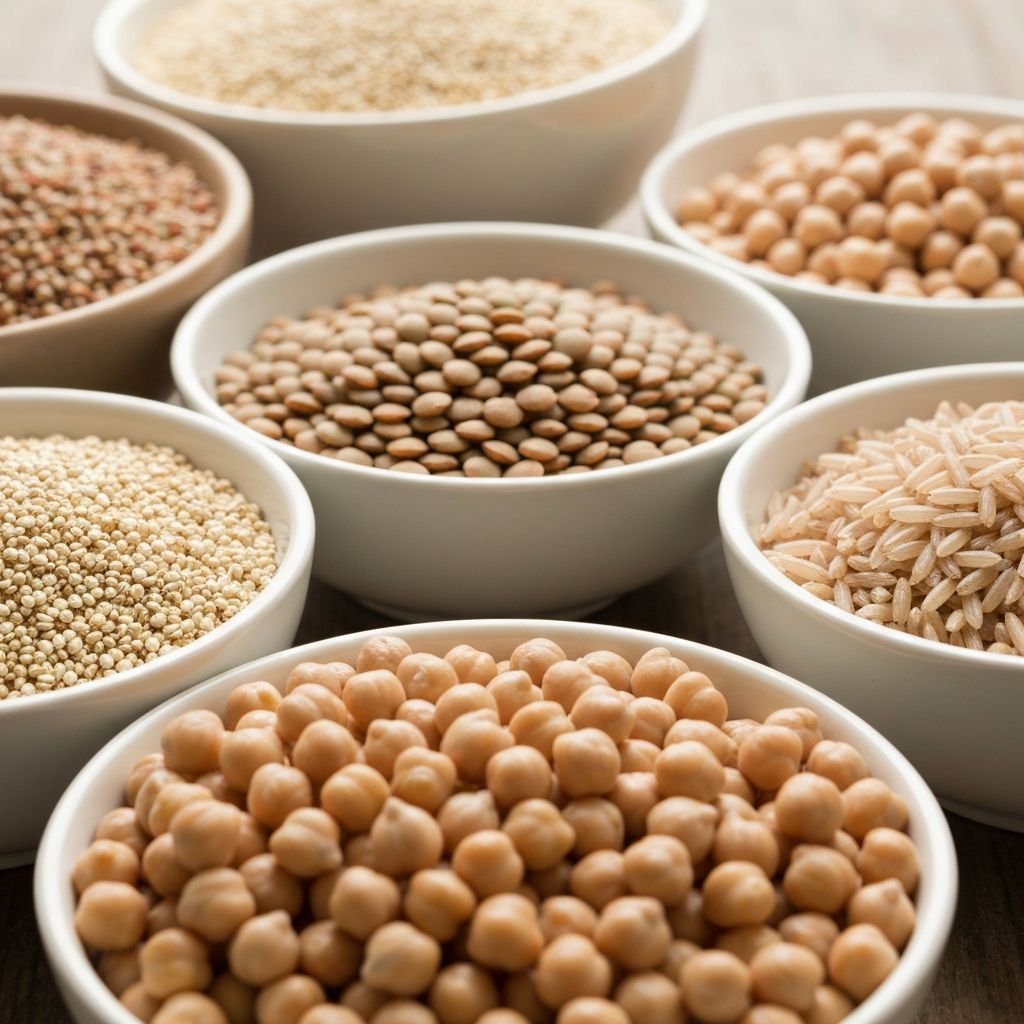
Variety of whole grains and legumes

Age-Related Nutritional Considerations

Nutritional needs change throughout life. As men age, certain nutrients become increasingly important:

Establishing good nutritional habits early supports long-term health. Adequate protein, calcium, and micronutrients support strong bones and muscle development during peak years.
Attention to overall nutrition, fiber intake, and maintaining physical activity becomes particularly important. B vitamins, magnesium, and antioxidants support metabolic health.
Adequate protein becomes even more important for maintaining muscle mass. Calcium and vitamin D support bone health. B12, often less efficiently absorbed with age, should be prioritized.
Individual Variation: This information provides general nutritional context. Individual nutritional needs vary significantly based on genetics, health status, activity level, age, and personal circumstances. This educational content is not personalized dietary advice. For specific nutritional concerns or health conditions, consultation with qualified healthcare professionals is recommended.

Continue Your Nutritional Learning

Explore more about nutrition and well-being through our comprehensive educational resources: